Johor development archive · Reviewed 4 September 2026
Johor news. Context, not hype.
A chronological archive of major Johor development and Johor–Singapore updates published from 1 January 2024 onward—translated into clear implications for property buyers.
20 verified developments
What has shaped Johor since 2024?
The RTS Link, JS-SEZ, digital infrastructure, investment approvals and new economic districts are the main themes. Each summary distinguishes a confirmed development from its possible property-market effect.
Archive
2026
4 updates
RTS construction01
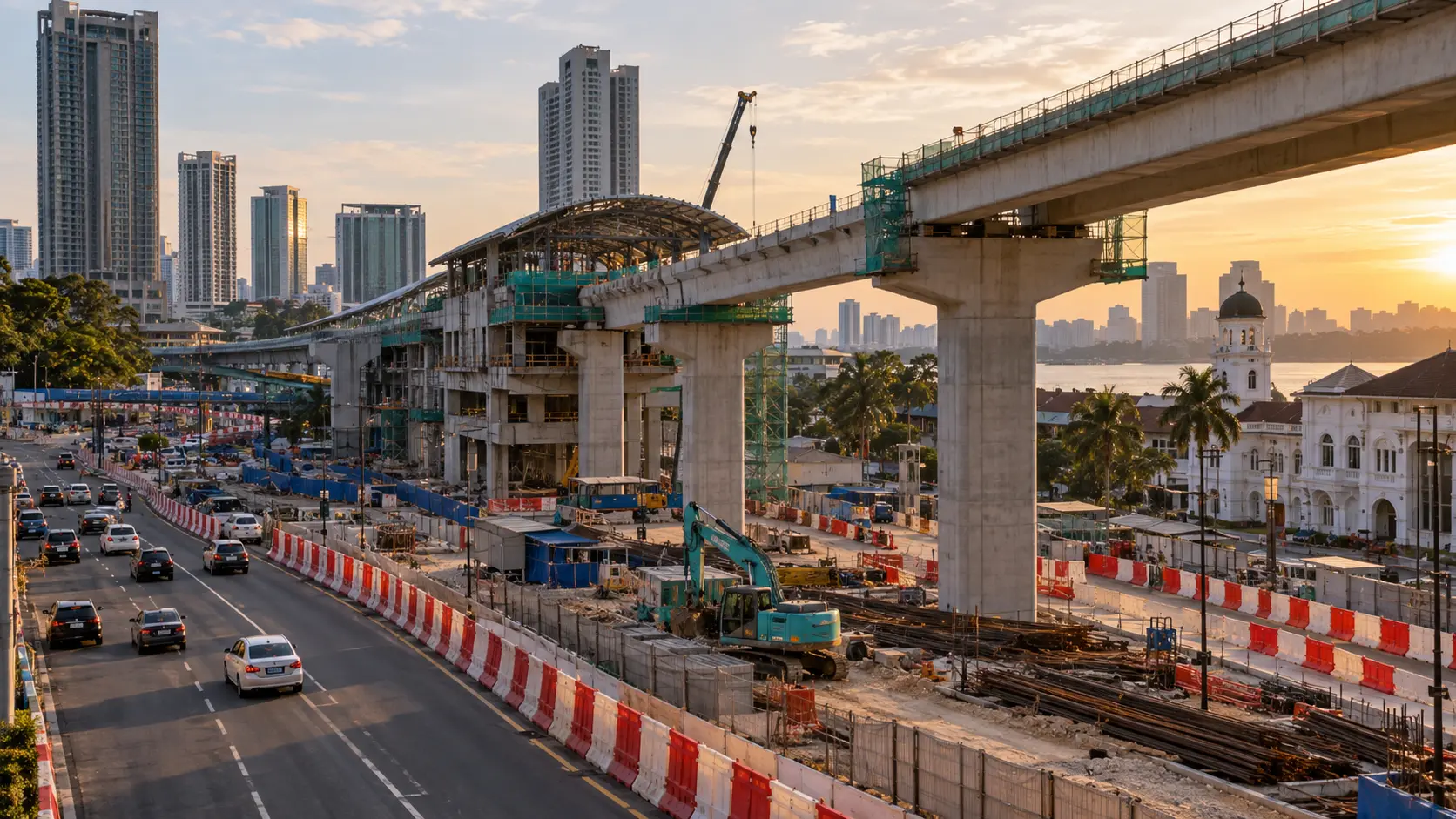
RTS-related city-centre road works continue
Why it matters: Ongoing works around Jalan Tebrau and Jalan Tun Abdul Razak show that buyers should test the real walking and driving route to Bukit Chagar rather than rely only on a straight-line distance.
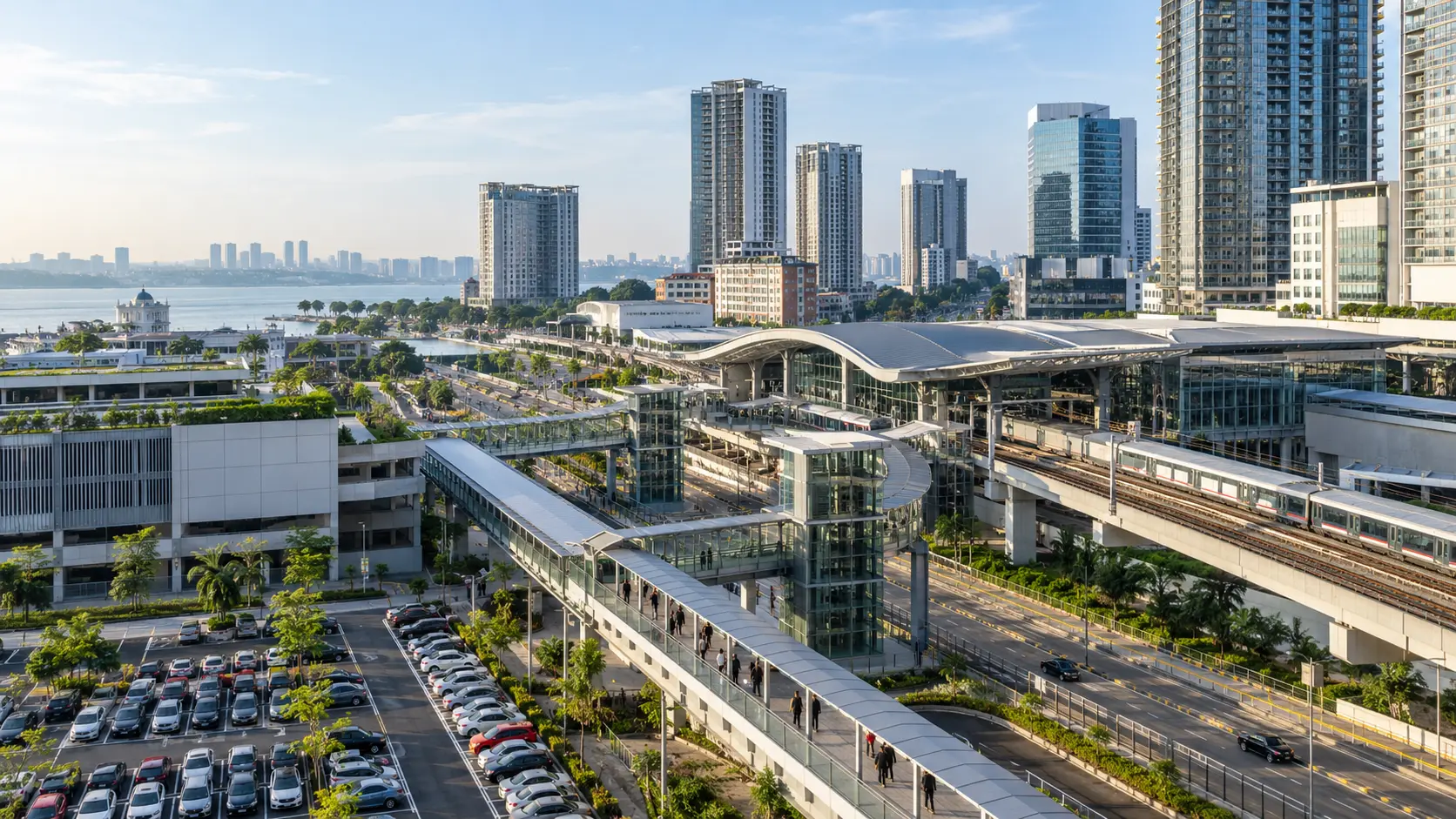
MRT Corp announced a continuation of intermittent full road closures for RTS Link works. Temporary traffic arrangements are construction-stage conditions; the longer-term property question is how the completed pedestrian, road and station network functions.
RTS station and ICQC digital-infrastructure tender published
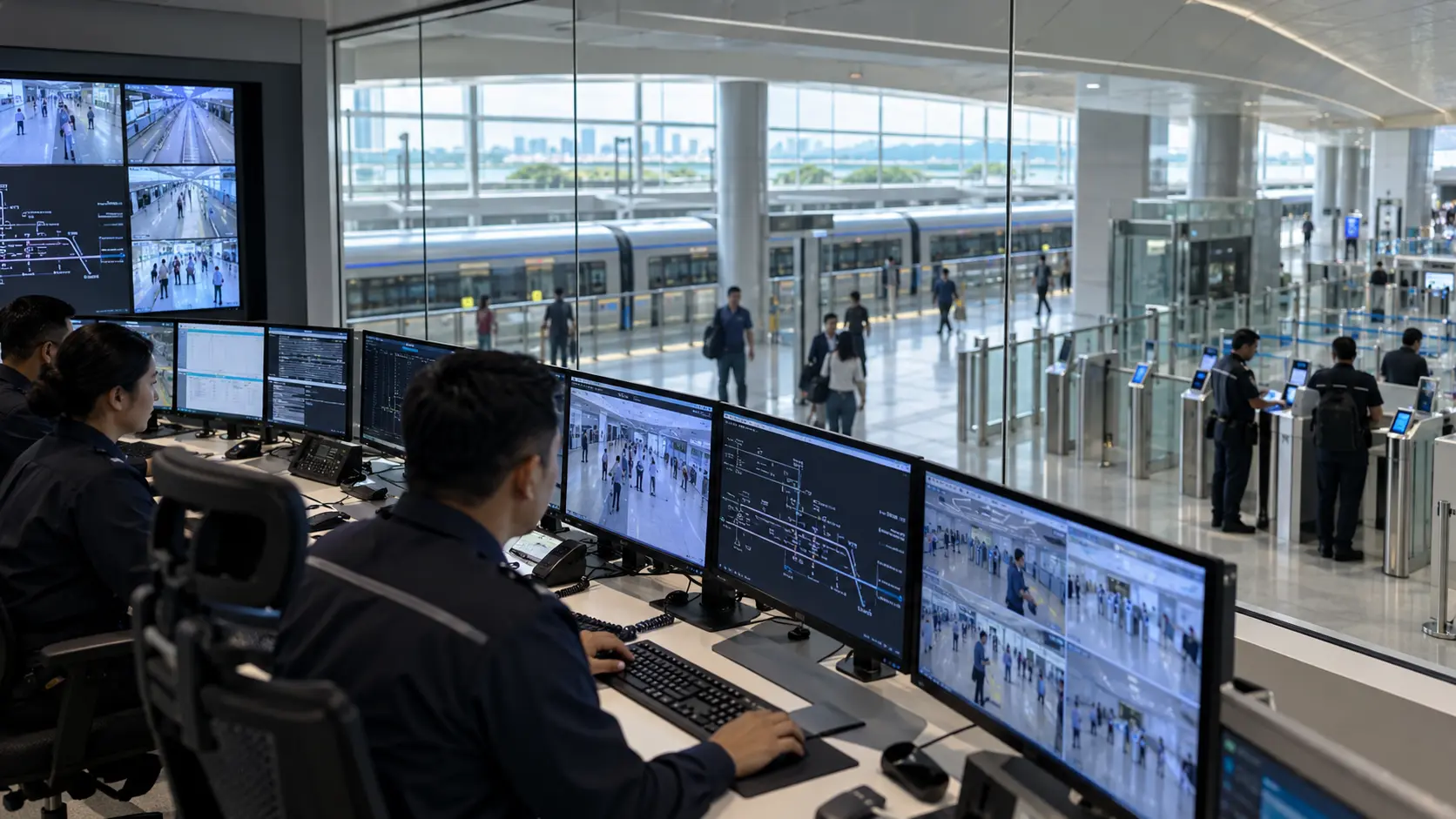
Why it matters: The tender covers ICT infrastructure and Azure Local implementation at the depot, station and immigration complex, indicating that operational systems are being procured alongside physical construction.
For property buyers, this is an implementation milestone rather than a promise of returns. The opening experience will depend on systems integration, border processing, testing and operating readiness.
Digital systems form part of operational readiness
Station and immigration systems must work together
Implementation milestones do not guarantee property gains
JS-SEZ & Iskandar03
JS-SEZ moves from planning towards implementation
Why it matters: MIDA described the zone as an integrated economic platform supporting advanced manufacturing, innovation-led industries and sustainable growth, with Iskandar Malaysia playing a central role.
MIDA also reported RM126.9 billion in Johor approved investments between 2025 and the first quarter of 2026. Buyers should still distinguish approved capital from completed operations, permanent jobs and location-specific housing demand.
Implementation and investment facilitation are advancing
Iskandar Malaysia remains central to the zone
Track operating businesses and actual employment
Johor investment04
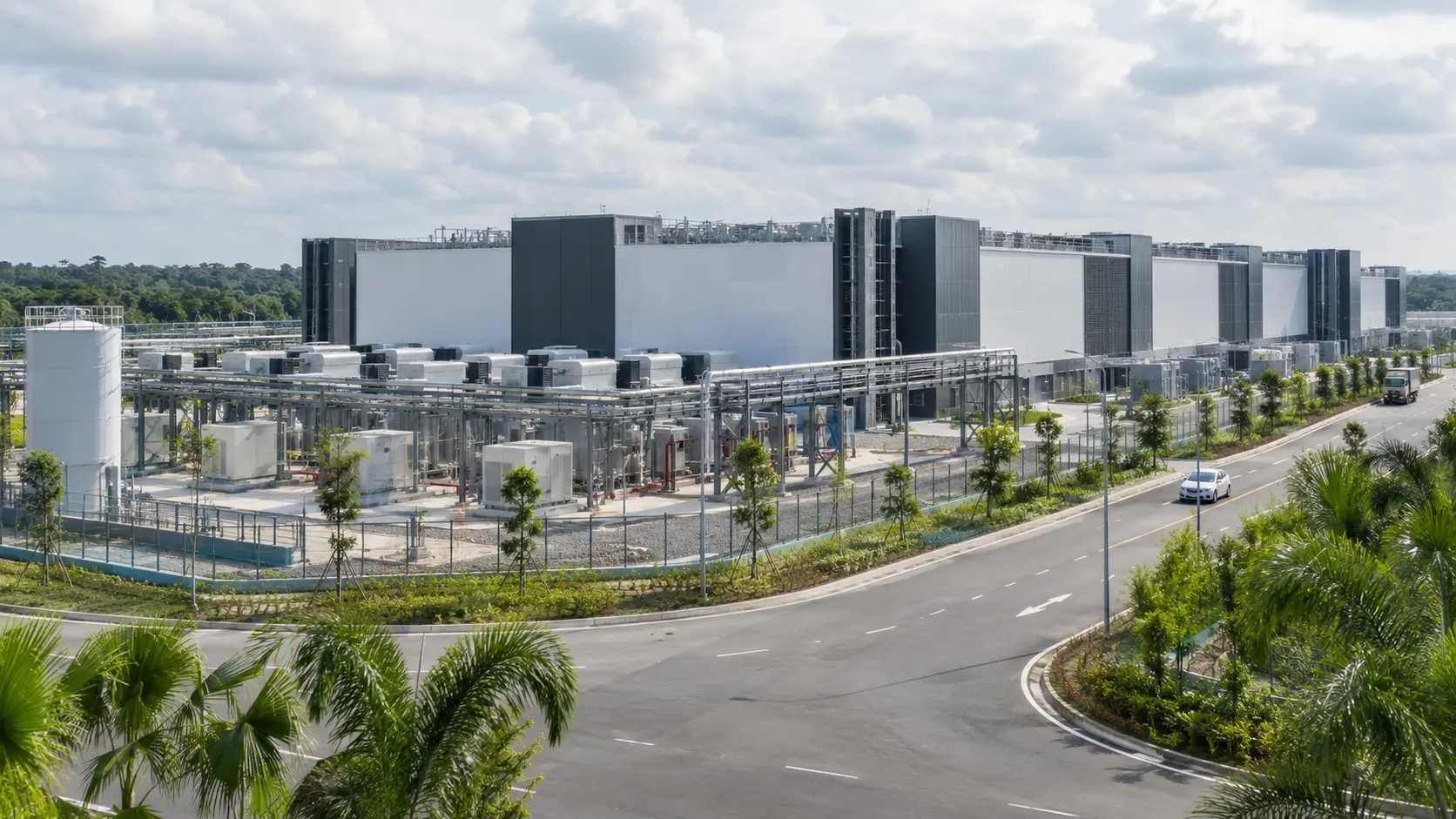
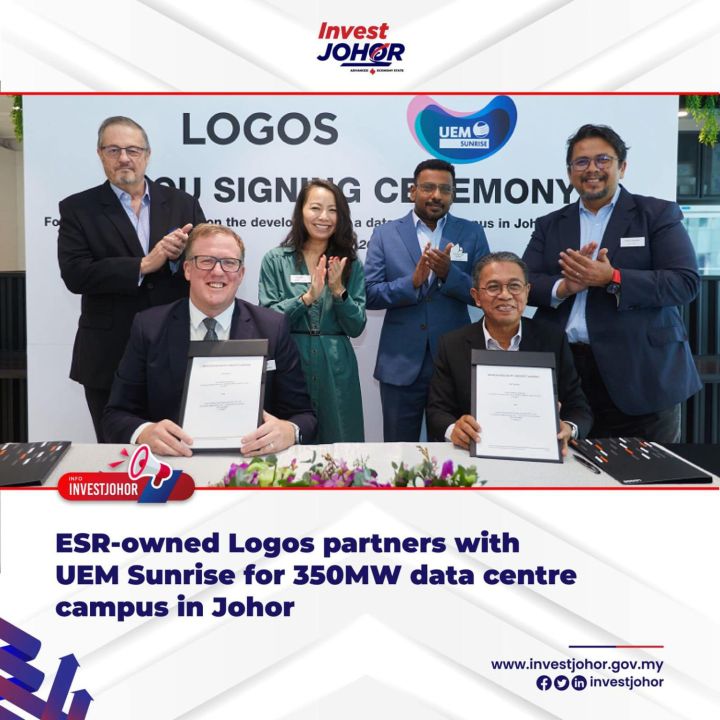
Johor’s data-centre capacity approaches 2,000MW
Why it matters: Johor’s digital-infrastructure expansion strengthens its role as a regional investment location, while increasing the importance of power, water and careful land-use planning.
Invest Johor reported that data-centre capacity grew from about 1MW in 2022 to nearly 2,000MW in 2025. The property-market link is through jobs, suppliers, business travel and supporting services—not a guaranteed rise in every residential price.
Why it matters: Investment commitments show growing commercial interest in the cross-border zone, but committed capital and completed operating projects are not the same thing.
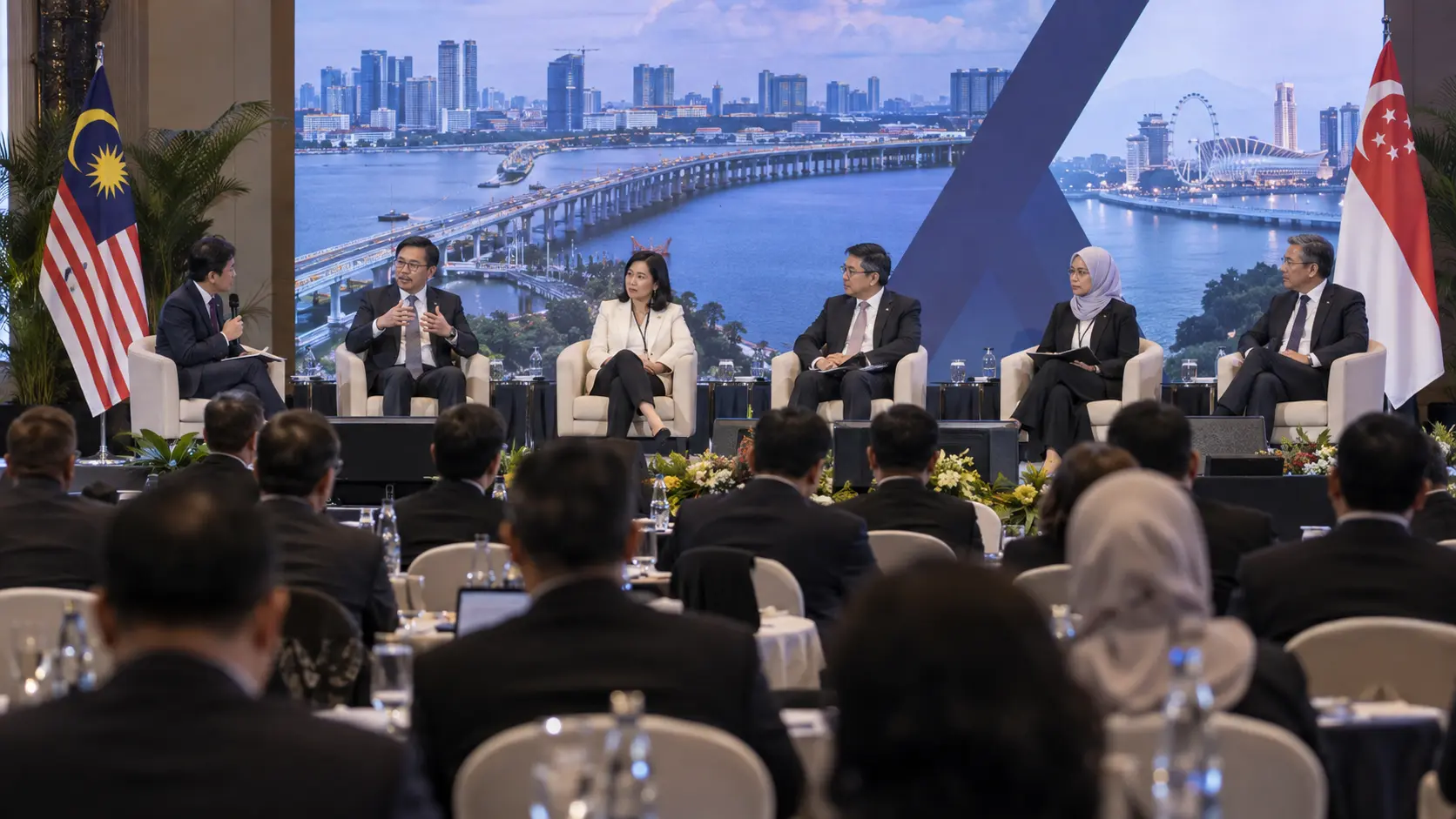
At the Singapore–Malaysia Leaders’ Retreat, Singapore stated that companies based there had committed S$5.5 billion to the JS-SEZ since January 2024. Buyers should watch which investments become operational, where jobs are located and how infrastructure keeps pace.
Stronger cross-border business interest
Execution and completion still matter
Track jobs, locations and operating dates
RTS Link02
RTS Link enters a decisive systems and integration phase
Why it matters: The RTS Link remains central to Johor Bahru’s connectivity story because it is designed to make cross-border travel faster and more predictable.
Official Singapore statements continued to target passenger service by the end of 2026. The line is planned to connect Bukit Chagar with Woodlands North, with co-located immigration facilities intended to simplify the journey.
10,000 passengers hourly each way
Approximately five minutes by train
Operational readiness is the key milestone
Approved investment03
Johor records RM30.1 billion in approved investment for Q1 2025
Why it matters: The first-quarter figure placed Johor among Malaysia’s leading investment destinations, with almost 90% of the approved value located within the JS-SEZ.
Approved investment indicates business confidence but is not immediate economic output. Investors should distinguish approvals from construction, commencement of operations and sustained job creation.
RM30.1 billion approved in Q1
Nearly 90% within the JS-SEZ
Approvals need time to become operations
JS-SEZ04
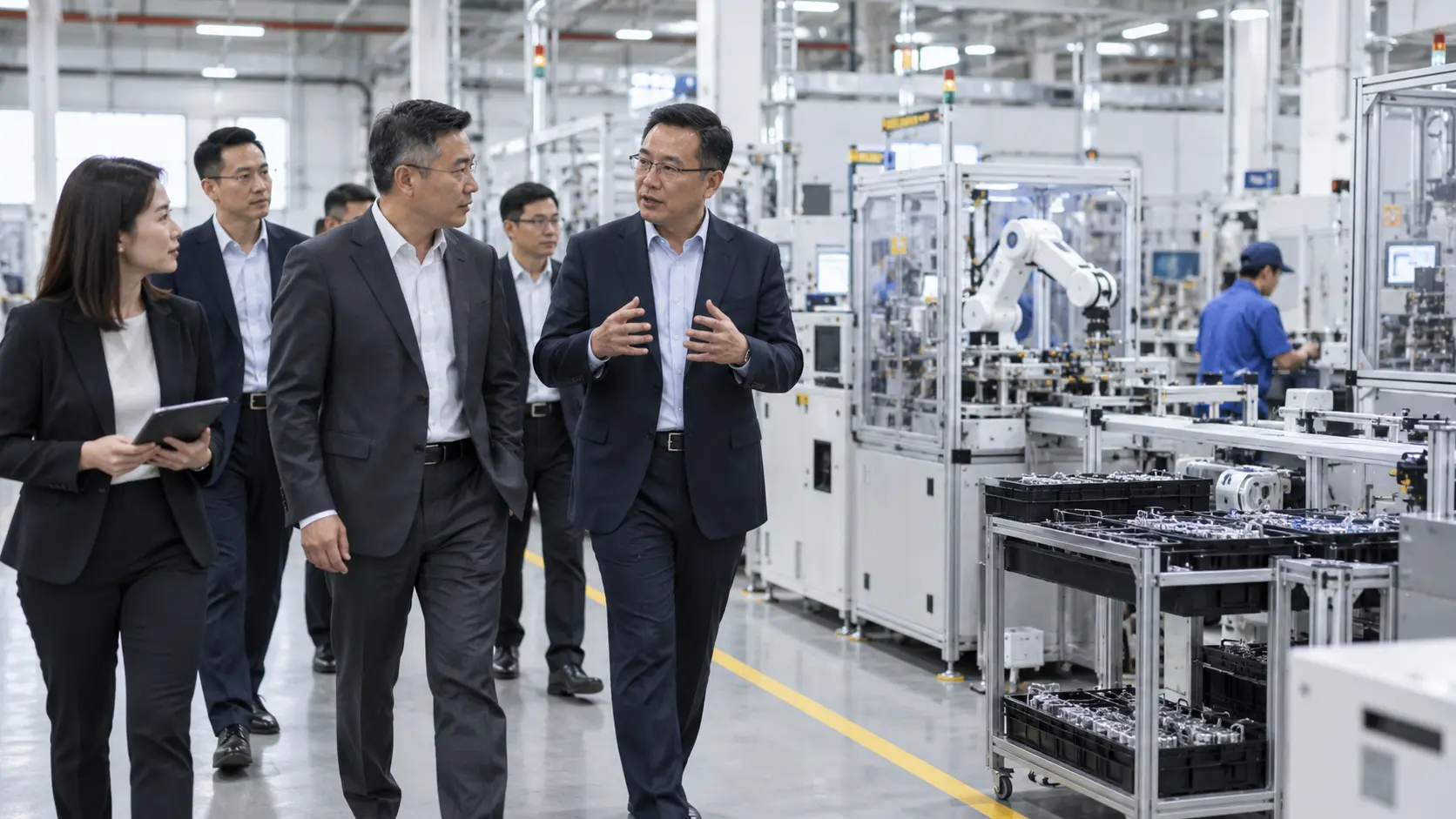
Businesses assess the JS-SEZ as a two-country platform
Why it matters: The JS-SEZ proposition combines Johor’s land, talent and cost base with Singapore’s finance, connectivity and global business networks.
Singapore’s Economic Development Board highlighted the potential for complementary operations across both countries. Outcomes depend on border efficiency, talent, regulation and company-level execution.
Complementary cross-border operations
Potential regional supply chains
Ease of doing business is central
Bukit Chagar05
Integrated development planned around the RTS terminus
Why it matters: Transport integration at Bukit Chagar could make central Johor Bahru more usable by connecting rail access with parking, walking routes and nearby commercial development.
Malaysia’s Transport Ministry described 1,550 car spaces and 1,015 motorcycle spaces within the integrated development, supplemented by 700 spaces at Coronation Square about 400 metres away.
Park-and-ride capacity around the station
Pedestrian links affect convenience
Nearby projects need individual assessment
JS-SEZ agreement06
Malaysia and Singapore formalise the JS-SEZ agreement
Why it matters: The agreement gave the cross-border economic zone a clearer framework for attracting investment and improving the movement of goods and people.
The JS-SEZ covers multiple sectors and flagship areas. Its relevance to property is indirect: successful businesses can create employment, income, supplier demand and mobility needs over time.
Formal bilateral framework
Multiple sectors and flagship areas
Property gains are possible—not automatic
Business incentives07
Special JS-SEZ incentive package is introduced
Why it matters: Targeted incentives aim to attract qualifying high-value businesses, rather than provide a universal tax reward to residential property buyers.
The package includes sector- and location-specific measures subject to eligibility. Buyers should not treat corporate incentives as a guaranteed reason for a condominium to appreciate.
Incentives target qualifying businesses
Terms depend on activity and location
No automatic residential buyer benefit
Archive
2024
9 updates
Forest City01
Forest City’s financial-zone plan gains attention
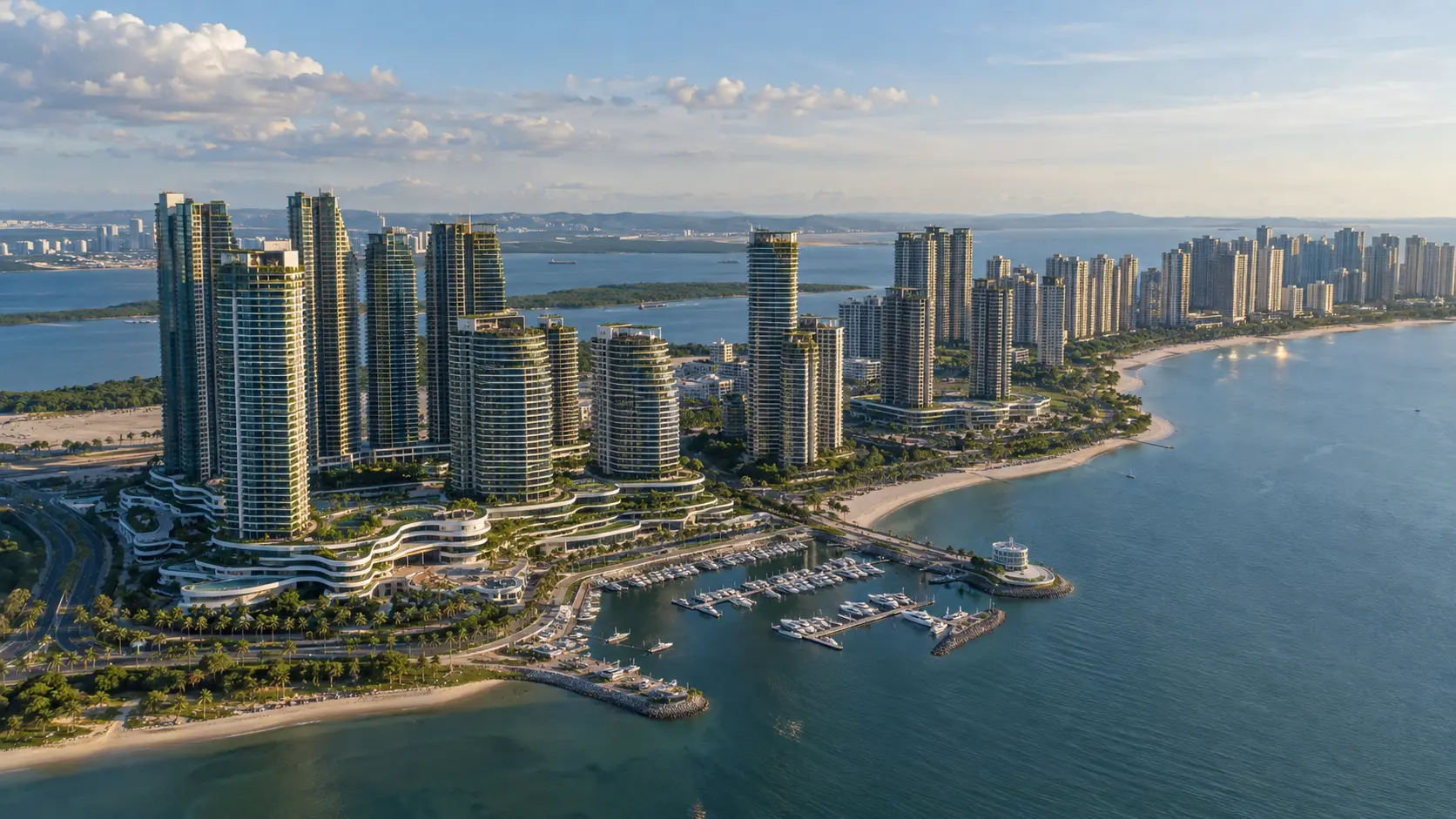
Why it matters: The special financial-zone direction aims to attract financial and family-office activity, adding a different economic function to the Forest City area.
MIDA highlighted the family-office initiative alongside Johor’s digital growth. Execution, professional services, occupancy and policy continuity will determine whether it produces durable local demand.
Financial-services positioning
Potential professional-service ecosystem
Outcomes depend on sustained execution
Digital economy02
Johor’s operating data-centre cluster continues to expand
Why it matters: Johor’s data-centre pipeline reinforces its digital-economy role, especially around established industrial and infrastructure corridors.
A MIDA market update noted ten operating data centres in Johor at the time. The sector can support construction, technical services and suppliers, although housing demand depends on the number and type of permanent jobs.
Growing operating cluster
Construction and technical activity
Job-to-housing link needs evidence
Data centres03
New Johor data-centre developments projected at RM17 billion
Why it matters: The projected development value signalled strong demand for Johor’s industrial land and infrastructure as regional computing needs increased.
The reported pipeline was expected by the end of 2024. Capital value alone does not show operational employment or residential demand, so investors should examine commissioning and workforce patterns.
Large infrastructure pipeline
Industrial and housing demand differ
Commissioning dates are important
Johor growth04
Johor positioned as Malaysia’s next major growth engine
Why it matters: Manufacturing, logistics, digital investment, the JS-SEZ and RTS Link were increasingly presented as connected parts of Johor’s growth story.
For buyers, the useful question is not whether Johor will grow, but which locations, unit types and prices align with real occupier demand as that growth is delivered.
Multiple economic drivers
Connectivity and jobs reinforce each other
Property selection remains project-specific
Property market05
JS-SEZ and data centres lift interest in Johor real estate
Why it matters: Major economic announcements increased market attention, but buyers still need to compare completed demand with future residential supply.
Infrastructure stories can lift expectations before jobs and occupancy arrive. Analysis should include entry price, competing stock, maintenance, achievable rent and the time needed for projects to mature.
Why it matters: Technology-led investment broadened Johor’s industrial narrative beyond traditional manufacturing and logistics.
The expansion can generate supplier ecosystems and skilled employment, but its residential effect may appear across several districts rather than only in JBCC. Commute patterns and workplaces matter.
Broader technology ecosystem
Potential skilled-job creation
Demand may be distributed across Johor
Cross-border economy07
Industry consultation shapes the proposed JS-SEZ
Why it matters: Early consultation focused on reducing friction in cross-border flows and identifying the conditions businesses needed from the new zone.
The discussions helped move the JS-SEZ from concept toward an operating framework. Efficient movement, predictable rules and infrastructure delivery matter more than branding alone.
Business feedback informed the framework
Cross-border efficiency was a priority
Implementation quality determines impact
JS-SEZ planning08
Policy attention turns to making the JS-SEZ workable
Why it matters: After the memorandum was signed, attention shifted toward the policies, infrastructure and business conditions needed to make the zone competitive.
A successful zone requires coordinated investment approvals, talent, transport, customs and utilities. Residential investors should monitor operating details rather than headline announcements alone.
Focus shifted toward implementation
Coordination across agencies is essential
Operating evidence matters
RTS & JS-SEZ09
RTS connecting span completed as JS-SEZ cooperation advances
Why it matters: The completion ceremony marked a visible rail-construction milestone, while Malaysia and Singapore advanced cooperation on the economic zone.
The RTS Link is designed for up to 10,000 passengers per hour in each direction between Bukit Chagar and Woodlands North. For JBCC, usable station access—not brochure distance—is the practical property test.
Major physical RTS milestone
JS-SEZ memorandum signed in the same period
Usable station access is the property test
Editorial standard
Official developments, explained independently.
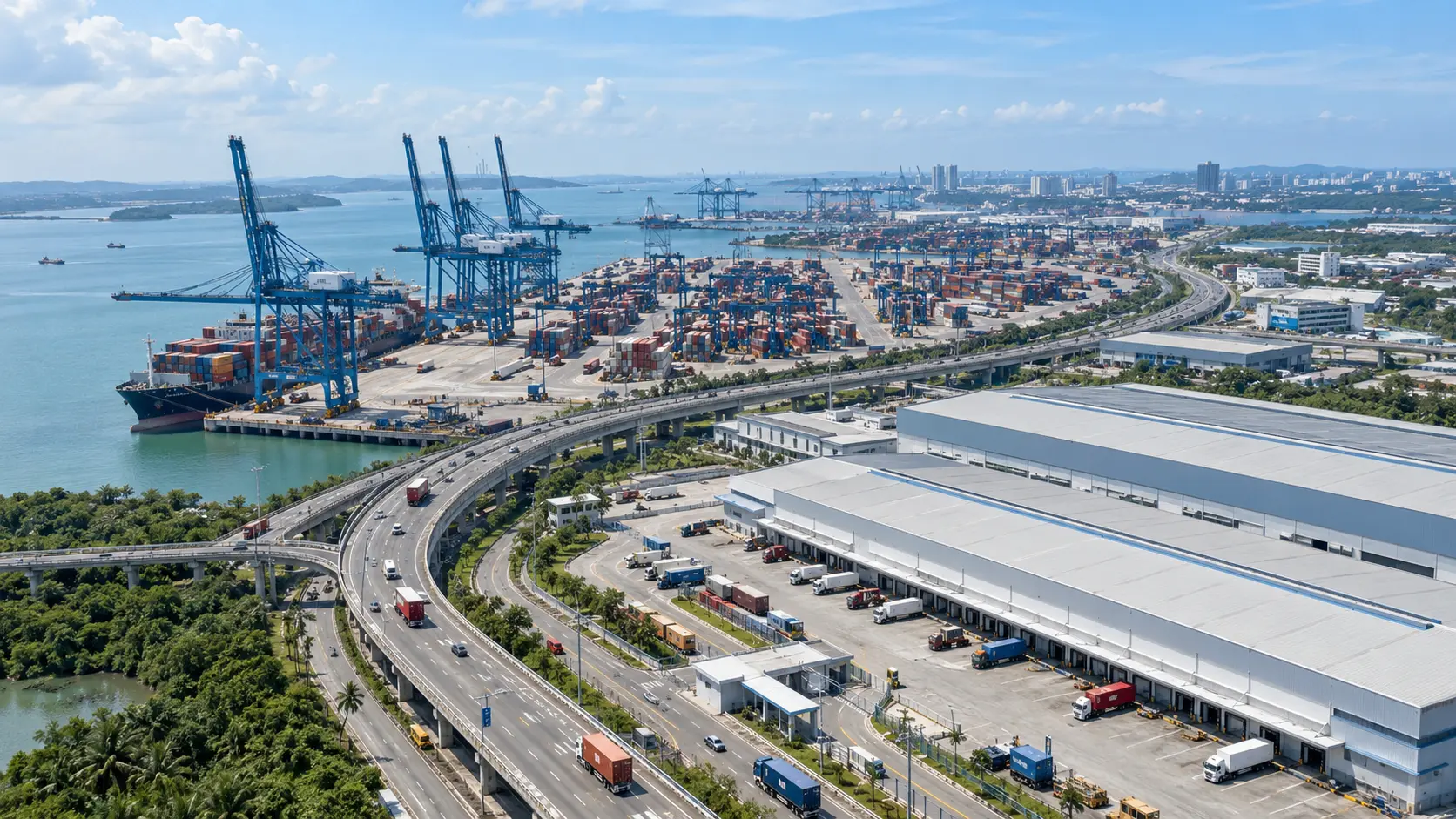
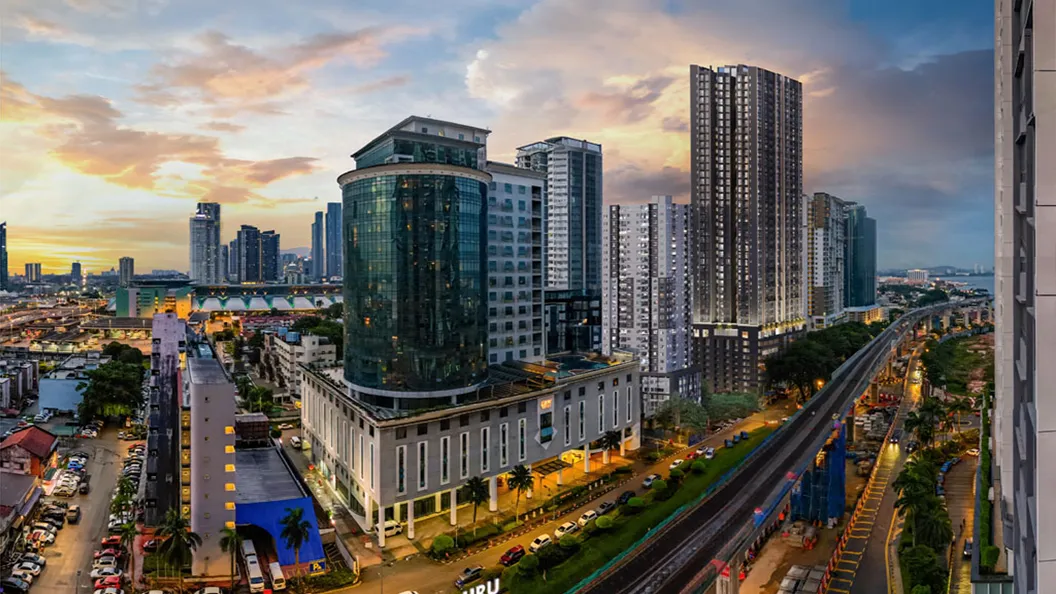
This archive is based on dated announcements and updates from Malaysian and Singapore government, investment and transport agencies. Photographs are used as topic references and may depict the relevant event, district or development context. Policies, schedules and figures can change, so verify the latest position before making a financial commitment.